Professional Development & Training
“From fixing to flourishing.”
Tony Ghaye (2011)
Developing Teaching and Learning through Reflective Practice
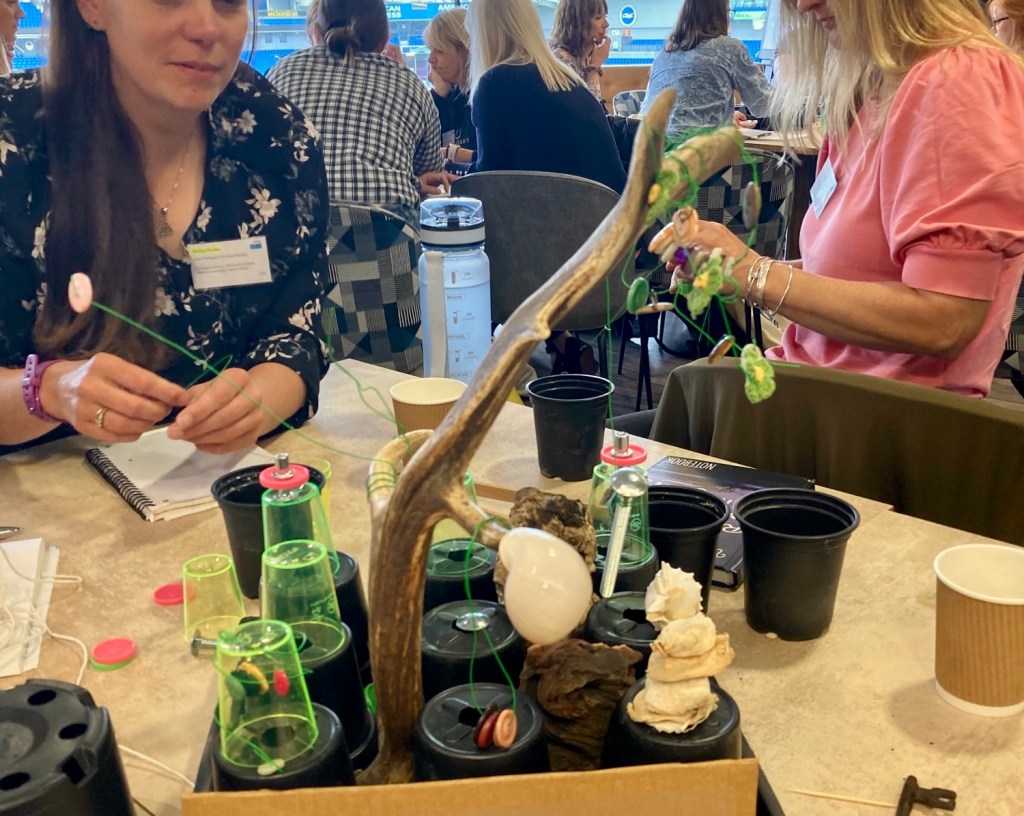
Professional development and any form of training is not just about fixing issues and problems but is about developing a flourishing learning context for both the children and the adults working within them. Without flourishing adults, it is hard to create the kinds of contexts in which your children will flourish too. Much of theprofessional development work I do is based over a few sessions or days throughout a year and sometimes even longer. It is about developing strong and impactful learning communities making use of different forms of professional learning that are contextual and relevant to your specific needs and situation.
There are no 2 schools or settings which are the same, and so I work hard with school leaders and managers to co-design with you effective and bespoke professional learning and training (both short and longer term), from live taster training days in your setting, to more blended approaches to develop a community of practice, or local/national teaching and learning reflective networks.
Designing Effective Professional Development & Training
Building Knowledge of Theory, Practice and Pedagogy
Starting with what is already known and understood is important to establish before identifying and focusing on new content that builds upon it in more complex ways. Tasks and activity can be devised to enable participants to draw from their existing understanding before beginning to build new learning together. Discussion and reflection tasks are pivotal design tools I use to enable particpants to adapt theory and pedagogical approaches to their everyday practice.
Energising and Motivating for All
All information, content and case studies shared come from a range of credible sources and illuminate what is possible in early education. Discussion points based on the content shared are designed to pull from examples the pedagogical approaches, techniques and skills that can be leveraged within your own setting or school. I will co-design the process, setting, agreeing and celebrating goals together with you. The aim is for both educators and children to be energised and flourishing in their new understanding of practice and their learning.
Development of Practice
The aim of my professional development and training I design is to improve teaching practice and outcomes for children. I will work with you to identify the content, practical support features, and feedback mechanisms required to empower and enable your setting/particpants to thrive and flourish with positive impacts on children’s learning and development. In designing, I consider Kleins (1999) 10 components of a thinking environment, which includes attentive listening, incisive questioning, equality and diversity, appreciation, ease, encouragement, feelings, information, and place to create the necessary conditions and time to think deeply together.
Identifying and Nourishing Changes in Practice
I will develop with you an action plan to encourage both self-assessment and whole school/setting monitoring about the emergence of changes made in practice. Reflective strategies will be used to create the effective nudges required to think about and make visible the changes being made in practice, and their impact for children. It isn’t just about how change is embedded, as any process of learning involves constant reflection, adaptation and new learning to occur. I will work with you to ensure that consideration is given to the nourishing conditions of ‘ready-ing’ for potential change, a process which Nora Bateson (2022) challenges us all to consider in any theorising on the process/theory of change. See more about my frames of thinking and references in relation to Coaching and Consultancy here.
Sample Courses and Training Themes
Observing, Assessing and Planning for Learning
Getting it right to develop enabling environments requires keen skills in observation and assessment to identify how learning happens as well as what. It requires tuning into and reflecting on the processes of learning and how children form understanding. It also requires subject knowledge of what you are observing because you cannot observe that which you don’t understand. Observation, assessment and planning are part of reflective cycle of action enacted through practice.
This course enables;
- exploration of observational strategies
- reflection on international research and case studies to develop thinking around practice
- development of intentional and responsive planning
Captivating Learning: Making the Ordinary Extraordinary
When adults stimulate, encourage, and activate children’s curiosity, they make the everyday an extraordinary and joyful occasion for deep learning. Joy comes from the aha moments, and the successes felt when achieving things. It also comes from the desire to know more and do more when the child joins in experiences that are meaningful for them. Understanding the motivations that underpin your children’s play, learning and development is key to designing your environments and curriculum
You will learn how;
- transform your environment to create rich and engaging opportunities for play and learning
- the adult activates and amplifies learning opportunities through positive interactions
- to slow down and look for wonder with your children
Making Marks: Signs, Codes, Symbols & Writing
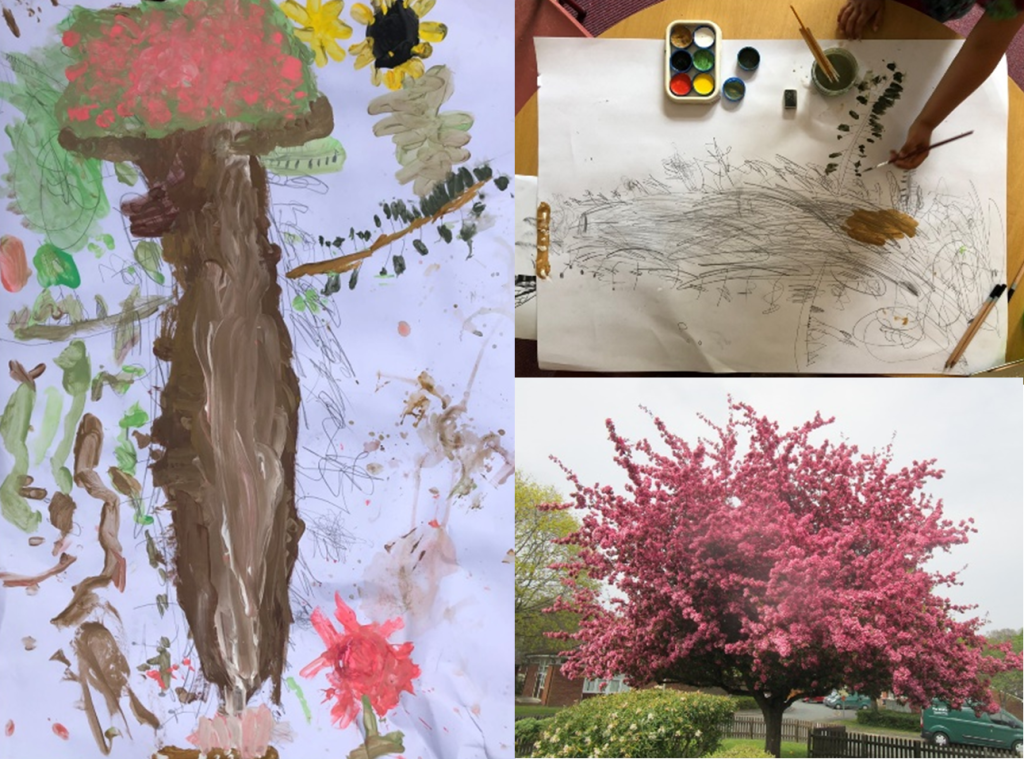
Children’s mark-making reveals their mathematical thinking, helps them tell and recall stories, communicate their experiences and working theories. This course explores how children progress and develop their ways of communicating both visually (through signs, codes, and symbols) and verbally (in how they narrate drawings with verbal language).
You will be enabled to:
- explore the role of the educator in supporting children’s journey into writing
- discover how mathematical thinking and working theories are expressed in their drawings
- evaluate your provision and resources
STEAM Approaches in the Early Years
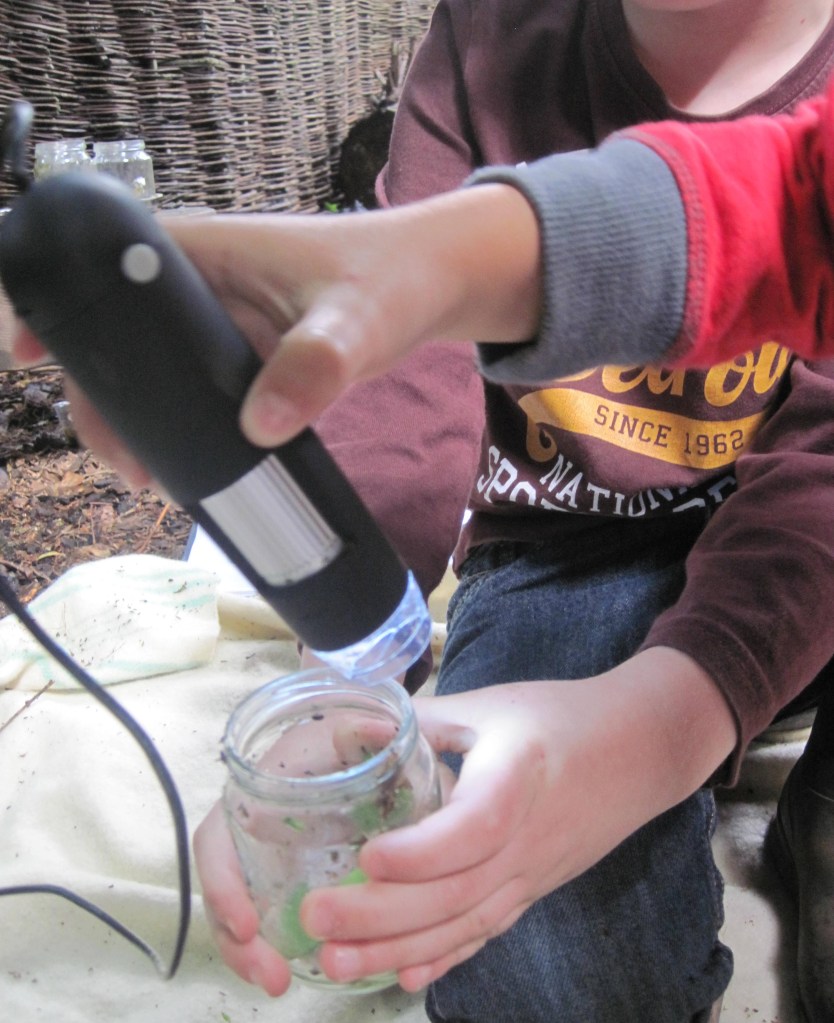
The arts in STEM (science, technology, engineering, and maths) bring together and integrate these interconnected subjects. This course reveals how the arts weave these disciplines together in more transdisciplinary ways, creating holistic opportunities for investigation and experimentation to enable children to develop conceptual knowledge and express their own theoretical ideas.
Participants will discover;
- how the ‘A’ into STEAM cultivates creativity and critical thinking, reasoning, problem-solving, language and communication skills
- how to develop skills in building complex and embodied learning
- how to develop creative provocations rich in playful learning
Technology and Digital Material
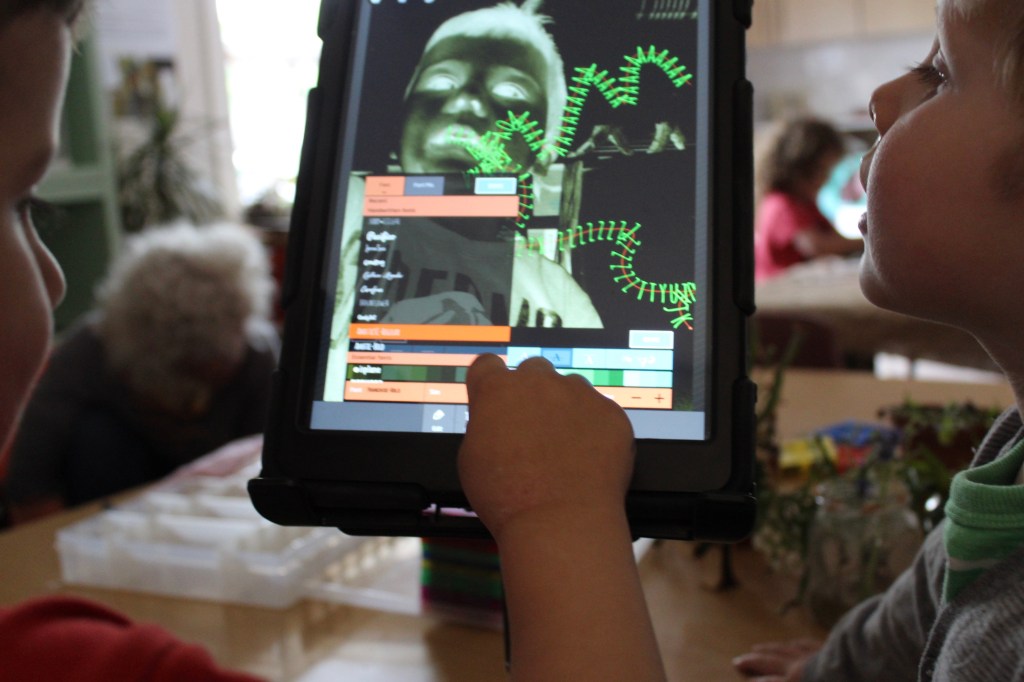
This course builds knowledge and confidence in using technology in creative and expressive ways that encompasses all areas of learning and the characteristics of effective learning.
Find out how to explore your children’s questions, curiosities and interests through;
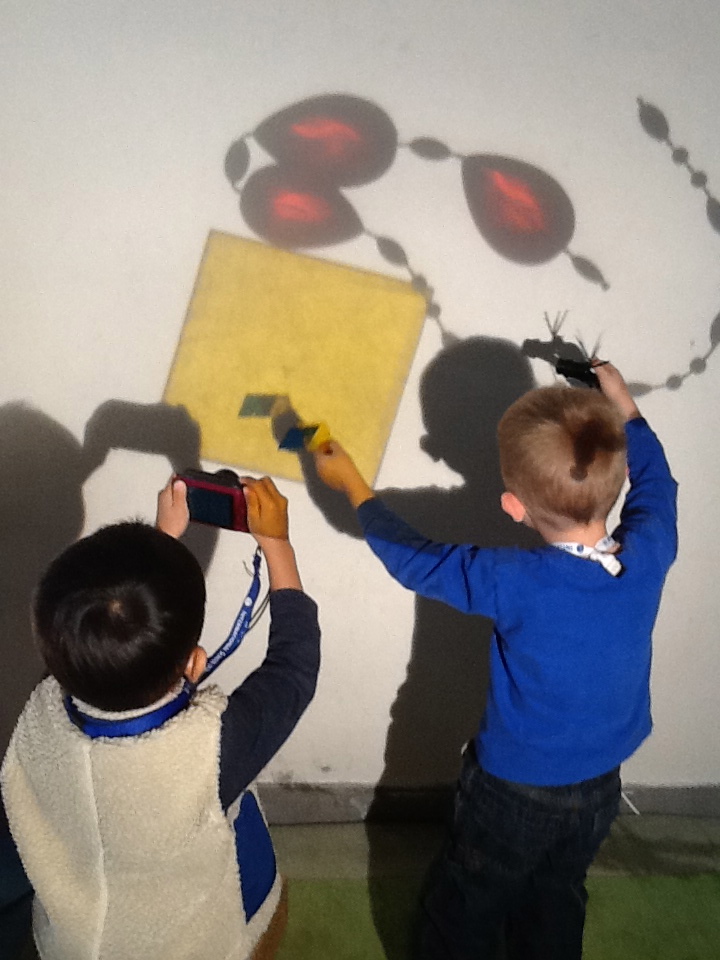
- a wide range of everyday technologies such as webcams, microscopes, torches and lamps
- digital image-making
- immersive digital landscapes
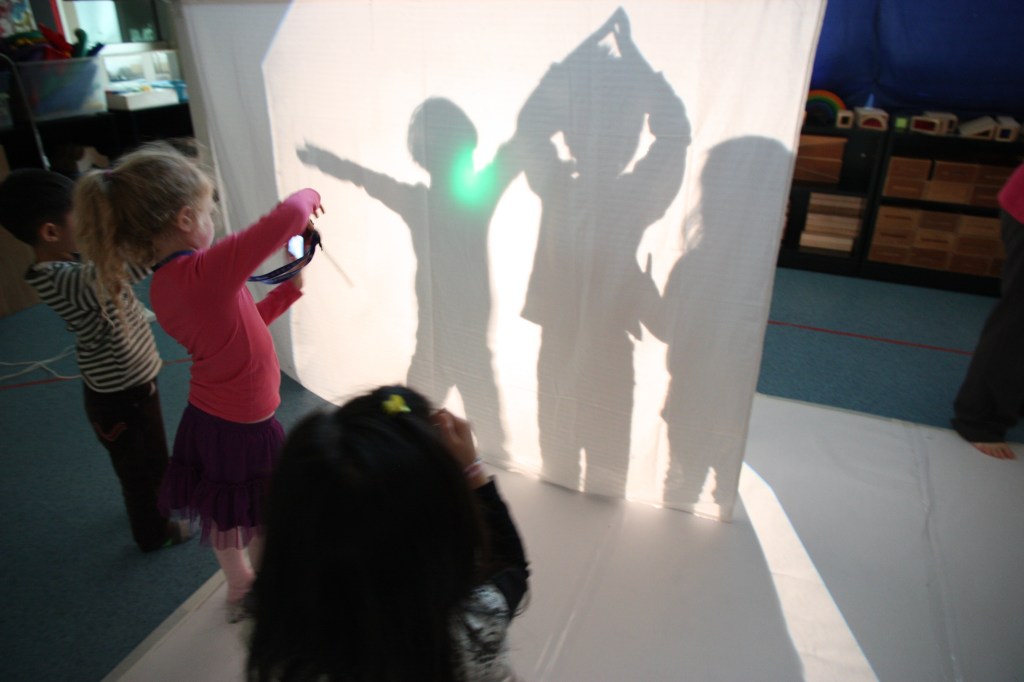
- light, dark and shadow
- animation and storytelling
The Theory of Play with Loose Parts and Variables
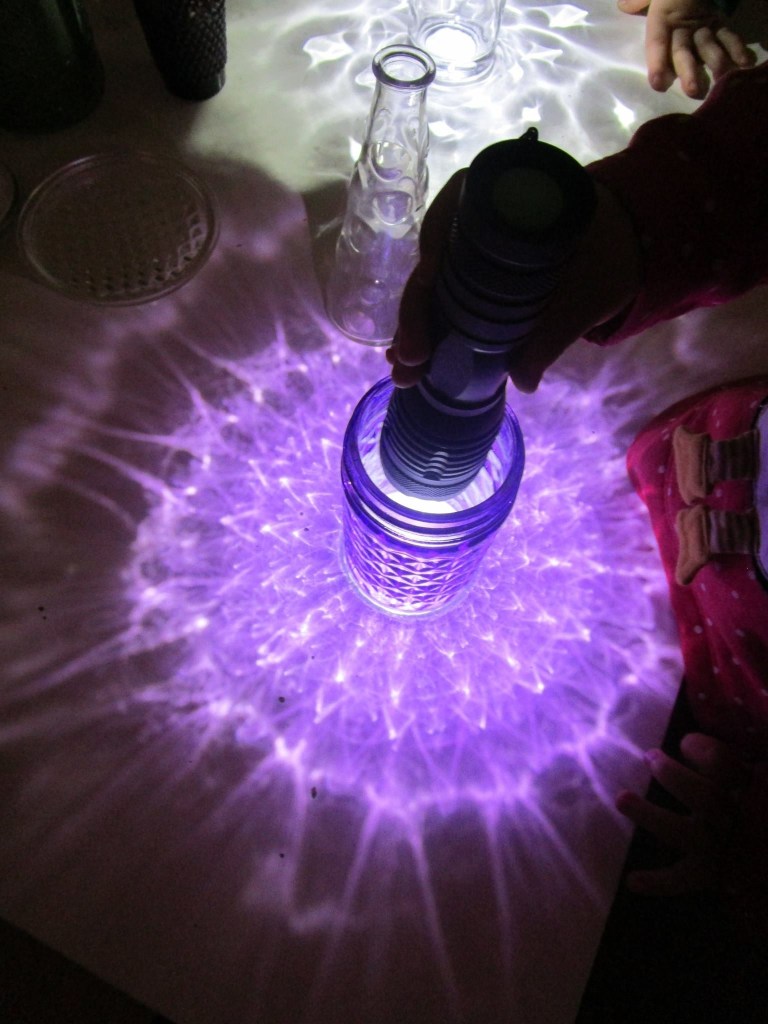
This course explores the wonder and theoretical underpinning of learning with loose parts, variables and found objects. It is a sustainable and ethical way of creating rich, open-ended learning environments, both indoors and out for young children.
Participants will;
- learn how to develop learning and design provocations
- consider scale, purpose and affordances of materials
- explore how children ‘think with materials’
There are many other possibitlies to explore and creating bespoke professional learning which is designed for your specific context and staff team is key. Drop me a line to arrange a call to explore possibilties.



 Debi Keyte-Hartland