Ted Talk
My TEDx Talk
“Children as Ideas Makers”
About
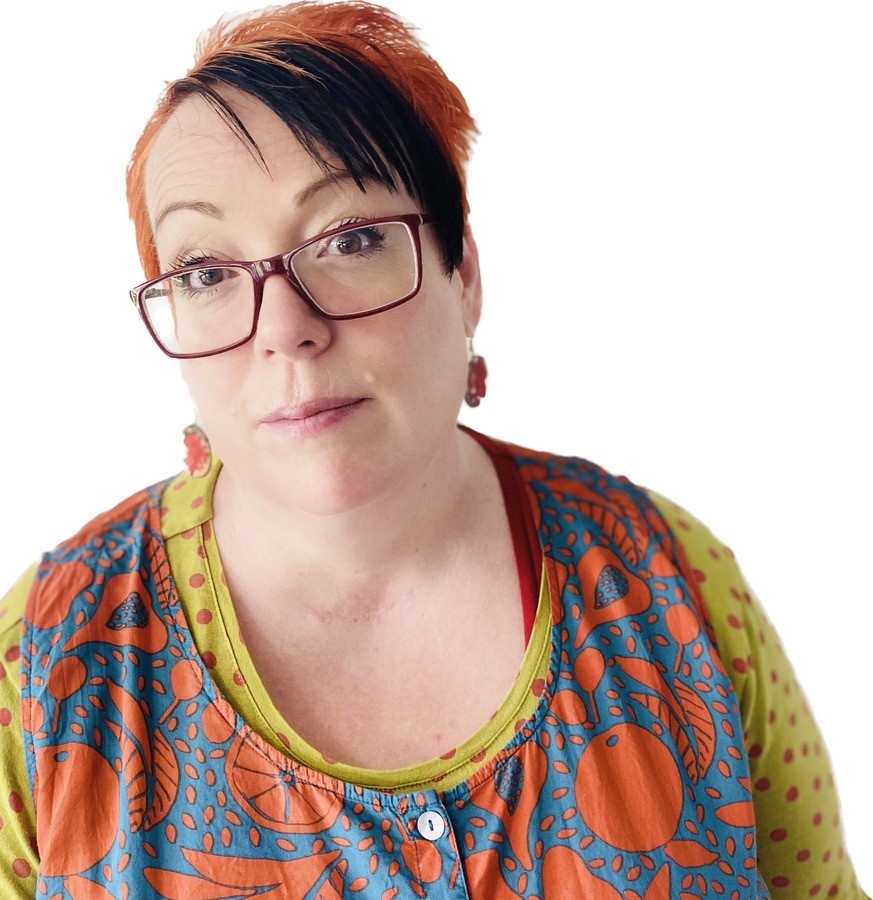
I was invited in 2014 to speak at TEDxBrum, Birmingham, UK where I talked about valuing children’s curiosity, taking their ideas seriously and turning schools into environments that generated, fostered and made visible children’s playful inquiry through the arts and their 100 languages of learning.
For this TedX talk I asked teachers and families at schools I worked with to ask their children about their ideas about the world. I was truly humbled by their responses and was honoured to share them. Loris Malaguzzi, Teacher, founder and first director of the Infant-Toddler Centres and Pre-Schools of Reggio Emilia, Italy reminds us all that;
“Ideas fly, bounce around, accumulate, rise up, fall apart and spread until one of them takes a decisive hold flies higher and conquers the entire group.”
Loris Malaguzzi
What I saw and interpreted in these examples I shared was the capability of children to think ‘big’. The consequences of valuing young children’s big ideas means that as educators we must question how we design curriculum and learning experiences for them and with them, so that their ideas and abilities to think big can rise up and grow rather than limiting and capping the ceiling for them.
Thankfully there are so many great educators out there in fantastic schools and settings of many kinds all doing the work that amplifies and generates the conditions for children’s creativity, critical thinking and the expression of their big ideas and working theories. But we need more! Which is why I am passionate about enabling early childhood educators to develop a pedagogy of listening, in which children’s ideas are valued and taken seriously in which we see them as the strong and competent learners, creators, inventors and ideas makers they are.
I am aware of the mounting global pressures and trends to standardise education to a one size fits all curriculum of facts that can be fed to children in bite size chunks, to be digested and regurgitated when asked. It is of course easily measurable, but it creates a normalising effect that denies children the kind of education that enables democratic thought and action and the kind of thinking that enables children to do things for themselves, and to fly high.
So, what can educators do?
As a beginning, perhaps each of us can think about how much we;
- Listen to children, and act of what we hear, to be able to come to know their potential
- Generate the right kind of environments that intentionally foster different kinds of ideas to accumulate, bounce around and rise up
- Share what is possible, to make visible the competencies of children so that others may listen and understand the brave change that is necessary
By listening to children and generating the fertile conditions for their ideas to be born and grow we can change the paradigm of education from one of the transference of ideas to one in which children have opportunity to think big for themselves. Now that is an idea worth sharing!


 Debi Keyte-Hartland